
Root Canal Treatment Save Your Natural Smile
Don’t lose a tooth to infection. Our painless root canal therapy removes the cause of pain while preserving your tooth’s structural integrity.
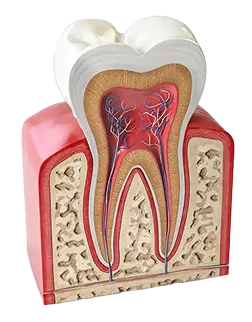
Understand Tooth Anatomy
Don’t lose a tooth to infection. Our painless root canal therapy removes the cause of pain while preserving your tooth’s structural integrity.
01
The Enamel
Schedule a consultation today with our experts and take the first step towards a more confident you.
02
The Dentin
A sensitive, bone-like layer under the enamel that supports the tooth's structure and surrounds the pulp.
03
The Pulp
The living core of the tooth containing nerves and blood vessels. This is where root canals treat the infection.
The Treatment Process
See why an infection in the soft inner layers requires specialized care.
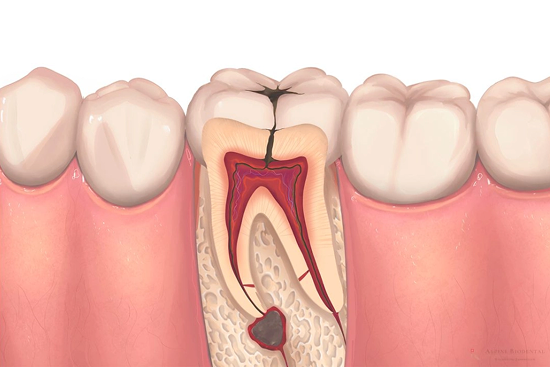
Removal of Infection
We gently access the tooth and remove all damaged and infected pulp tissue using precise microscopic tools to ensure total elimination of decay.
This is the heading
Lorem ipsum dolor sit amet, consectetur adipiscing elit. Ut elit tellus, luctus nec ullamcorper mattis, pulvinar dapibus leo.

STEP 01
Removal of Infection
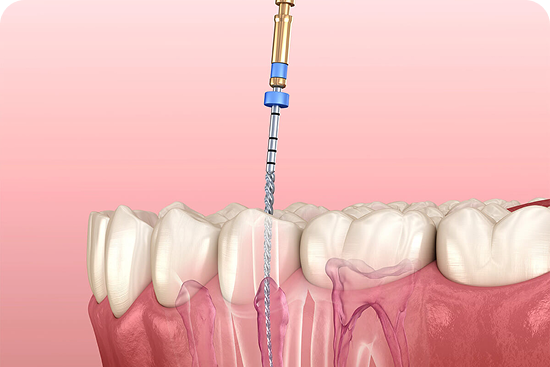
We gently access the tooth and remove all damaged and infected pulp tissue using precise microscopic tools to ensure total elimination of decay.
STEP 02
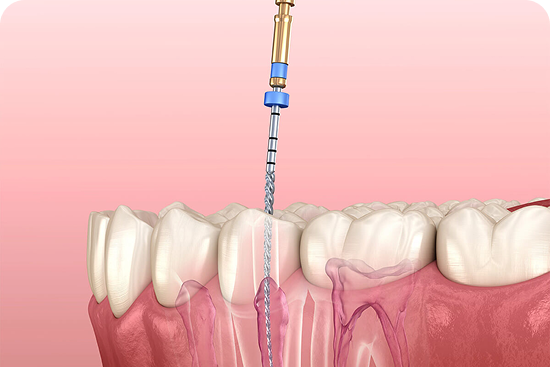
Cleaning & Shaping
The empty root canals are meticulously disinfected and shaped using advanced endodontic technology to prepare them for a secure, airtight filling.
STEP 03
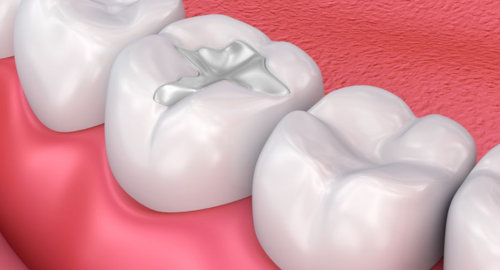
Sterile Filling
Canals are filled with a rubber-like biocompatible material called gutta-percha. This provides a durable seal that prevents future bacteria from entering.
STEP 04
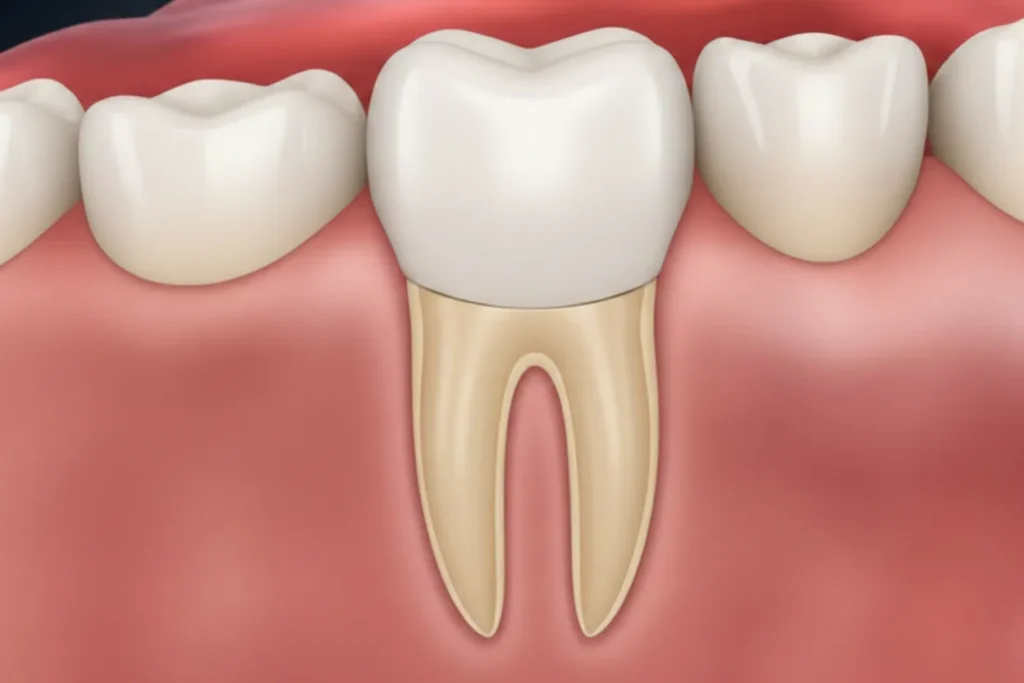
Final Restoration
A custom-fit porcelain crown is placed to fully restore the tooth's strength, function, and natural appearance, looking indistinguishable from your original tooth.
Why Is It Needed?
Stopping the Infection
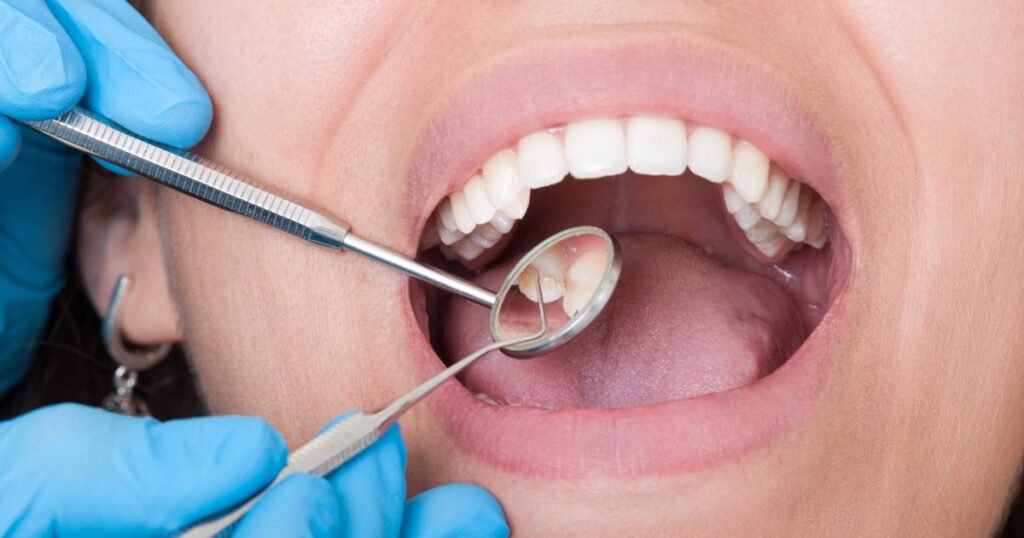
When the pulp is damaged, bacteria begin to multiply in the pulp chamber. Left untreated, this leads to an abscess—a pus-filled pocket at the end of the roots
Preventing Bone Loss
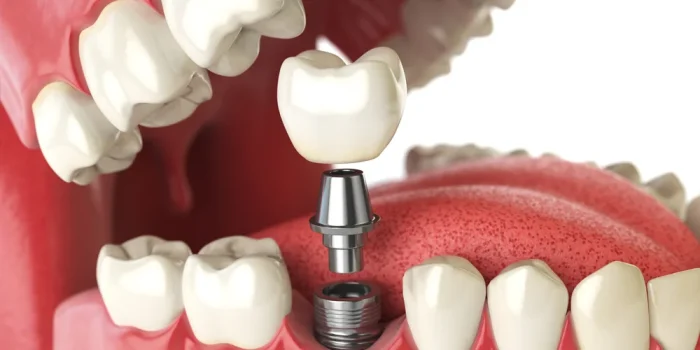
Severe infection can spread to the jawbone, causing bone loss around the root tips. This weakens the structural foundation of your entire dental arch.
Root Canal vs Tooth Extraction
Feature
Root Canal
Extraction
Preserve Natural Tooth
Pain Relief Duration
Feature
Feature
Need for Implants
Feature
Prevents Teeth Shifting
Feature
Feature
Symptoms for which Root Canal Treatment is Required
Root Canal Treatment may be required if you experience persistent or severe tooth pain, especially while chewing or applying pressure. Increased sensitivity to hot or cold that continues even after the stimulus is removed can indicate pulp damage. Swelling or tenderness in the gums near the affected tooth, along with tooth discoloration or darkening, may signal infection inside the tooth. Some patients may also experience pain while biting, discomfort during chewing, or radiating pain that spreads to other areas of the mouth, suggesting possible nerve involvement.

Ready to Transform Your Look?
Schedule a consultation today with our experts and take the first step towards a more confident you.
Frequently Asked Questions Root Canal Treatment
1. What is Root Canal Treatment?
Root Canal Treatment is a dental procedure that removes infected or damaged pulp from inside the tooth to relieve pain and prevent further infection.
2. When is a Root Canal Treatment necessary?
It is required when the tooth pulp becomes infected due to deep decay, repeated dental procedures, cracks, or trauma.
3. What symptoms indicate the need for a root canal?
Persistent tooth pain, prolonged sensitivity to hot or cold, gum swelling, tooth discoloration, and pain while chewing are common signs.
4. Is severe tooth pain always present?
No. In some cases, infection may progress without severe pain, making regular dental checkups essential.
5. Why does my tooth hurt when I bite or chew?
Pain during biting often indicates inflammation or infection of the tooth pulp or surrounding tissues.
6. What causes sensitivity to hot and cold?
Sensitivity that lingers after exposure usually means the tooth nerve is damaged or infected.
7. Can gum swelling be related to root canal infection?
Yes. Swelling or tenderness near the affected tooth often indicates infection spreading beyond the tooth root.
8. Does tooth discoloration mean I need a root canal?
A darkened tooth may suggest nerve damage or internal infection and should be evaluated by a dentist.
9. Is Root Canal Treatment painful?
With modern techniques and local anesthesia, the procedure is generally comfortable and relieves existing pain.
10. What happens if I delay root canal treatment?
Delaying treatment can lead to abscess formation, severe infection, tooth loss, and spread of infection to surrounding tissues.